Traders of Environmental Progress
STX Group is a global environmental commodities trader offering physical and financial solutions across compliance and voluntary systems for energy, fuels, gas and carbon markets.
Traders of Environmental Progress
STX Group is a global environmental commodities trader offering physical and financial solutions across compliance and voluntary systems for energy, fuels, gas and carbon markets.
Transforming Climate Challenges into Business Progress
STRIVE is the advisory arm of STX Group, helping companies meet climate targets through high-impact strategies and cost-efficient decarbonization pathways.

The pulp and paper industry must cut CO₂ emissions by 36% by 2030 versus 2022 levels, equivalent to a 5% annual reduction in emissions intensity to meet the IEA Net Zero Scenario. Rising demand for consumer packaging, building materials and tissue products is expected to increase output by 9% by 2030, intensifying the sector’s decarbonization challenge and the need for efficient, low-carbon energy sources.
STRIVE by STX supports pulp and paper producers in turning decarbonization commitments into measurable results. We design tailored Scope 1–3 strategies that combine compliance schemes with biomethane, electricity and energy efficiency upgrades.
Backed by STX Group’s trading and compliance expertise, our team connects procurement and execution across global markets, helping companies reduce emissions, optimize energy use and maintain operational resilience.
Identify and finance efficiency upgrades. Access White Certificates to cover up to 100% of eligible projects.
Learn more
Use unbundled EACs, PPAs or VPPAs to decarbonize operations and enhance reporting.
Learn more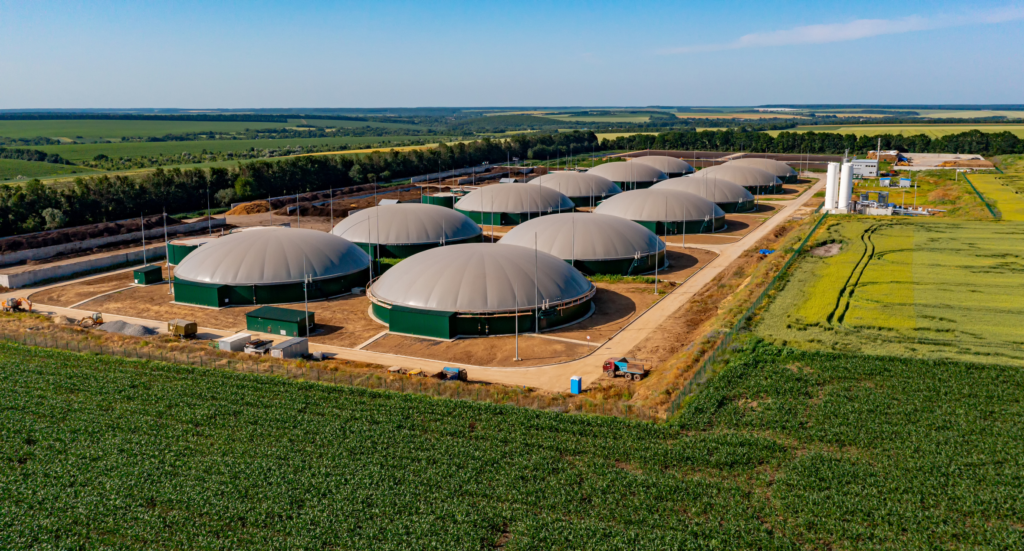
Replace natural gas with biomethane for heat, power and process energy.
Learn more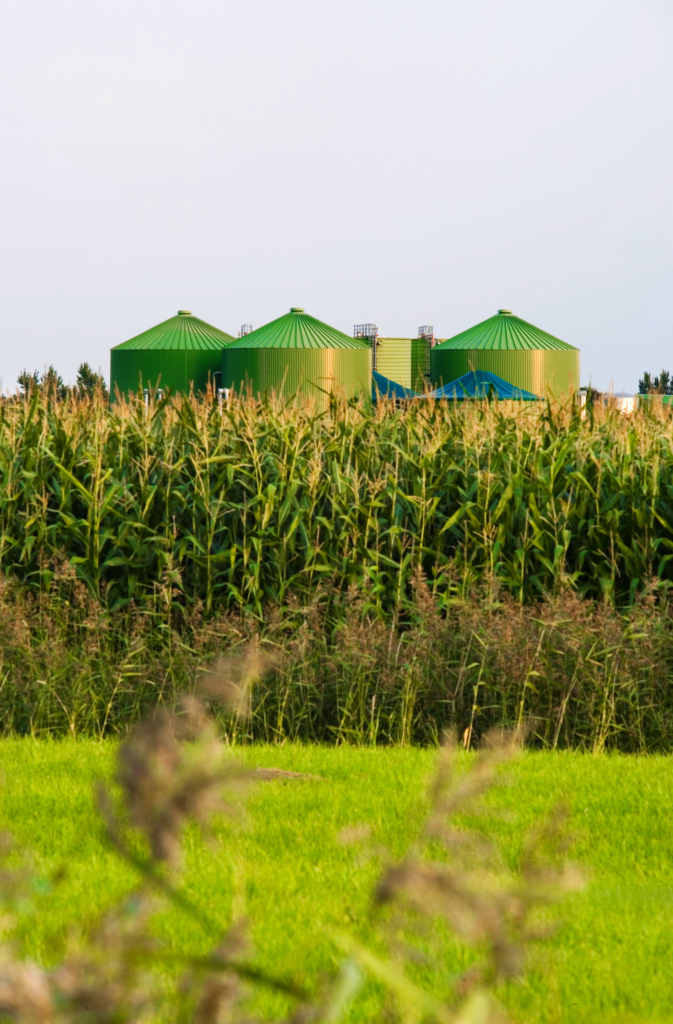
Use certified biofuels for product transport to reduce downstream emissions.
Learn more
Through Vertis, manage EU ETS exposure and ensure compliance with local frameworks.
Vertis
Compensate residual emissions through verified carbon reductions and removals.
Learn moreMost emissions come from heat and power generation (Scope 1), purchased electricity (Scope 2) and supply chains or transport (Scope 3).
By improving energy efficiency, switching to biomethane or RNG and sourcing renewable electricity through EACs or long-term PPAs.
Certified biofuels reduce transport-related emissions and support compliance with frameworks like CSRD and SBTi.
We combine renewable energy, low-carbon fuels and compliance tools to deliver measurable Scope 1–3 reductions and long-term energy resilience.