Traders of Environmental Progress
STX Group is a global environmental commodities trader offering physical and financial solutions across compliance and voluntary systems for energy, fuels, gas and carbon markets.

Traders of Environmental Progress
STX Group is a global environmental commodities trader offering physical and financial solutions across compliance and voluntary systems for energy, fuels, gas and carbon markets.

Transforming Climate Challenges into Business Progress
STRIVE is the advisory arm of STX Group, helping companies meet climate targets through high-impact strategies and cost-efficient decarbonization pathways.

The chemical industry accounts for 5-6% of global greenhouse gas emissions, largely from the energy-intensive production of ammonia, methanol and base chemicals. As demand increases, producers face stricter carbon regulations, including EU ETS and CBAM and growing investor and customer scrutiny. Decarbonizing complex, energy-heavy value chains demands reliable partners, renewable inputs and scalable low-carbon technologies.
STRIVE by STX partners with chemical companies to reduce emissions across energy-intensive operations. We deliver integrated biomethane, electricity and efficiency solutions that balance regulatory compliance with cost efficiency.
Supported by STX Group’s trading reach, our team designs scalable decarbonization pathways, from low-carbon feedstock sourcing to verified emission compensation, ensuring measurable impact across the full value chain.
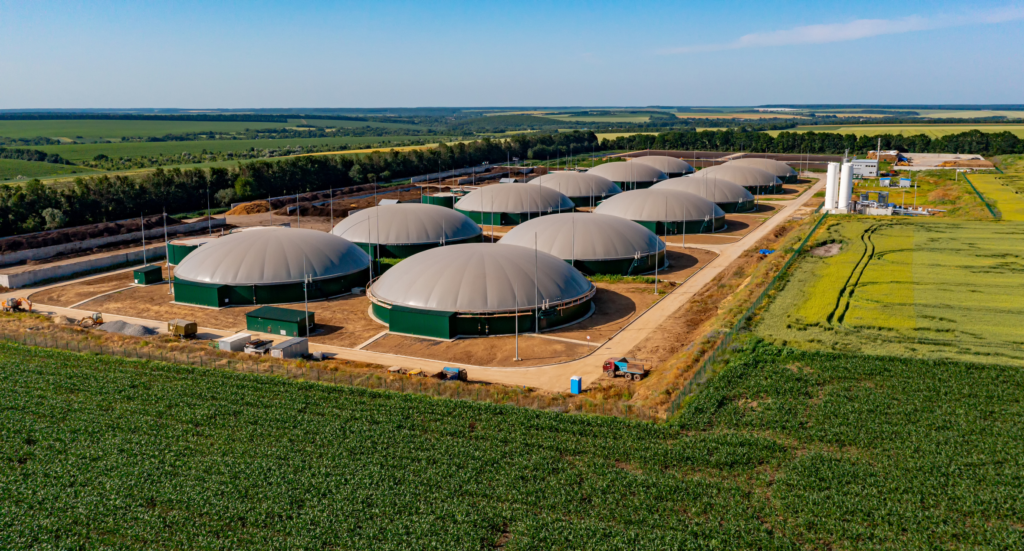
Replace fossil feedstock in ammonia, methanol or hydrogen production with certified RNG to reduce direct and value-chain emissions.
Learn more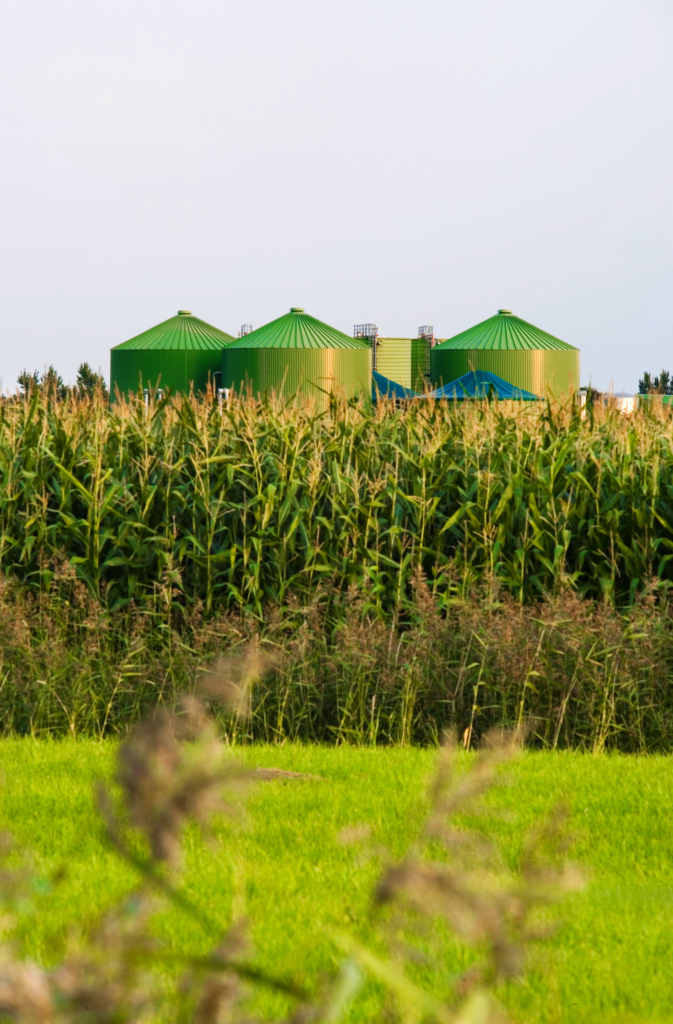
Integrate certified biofuels or bio-feedstocks to decarbonize logistics and downstream products.
Learn more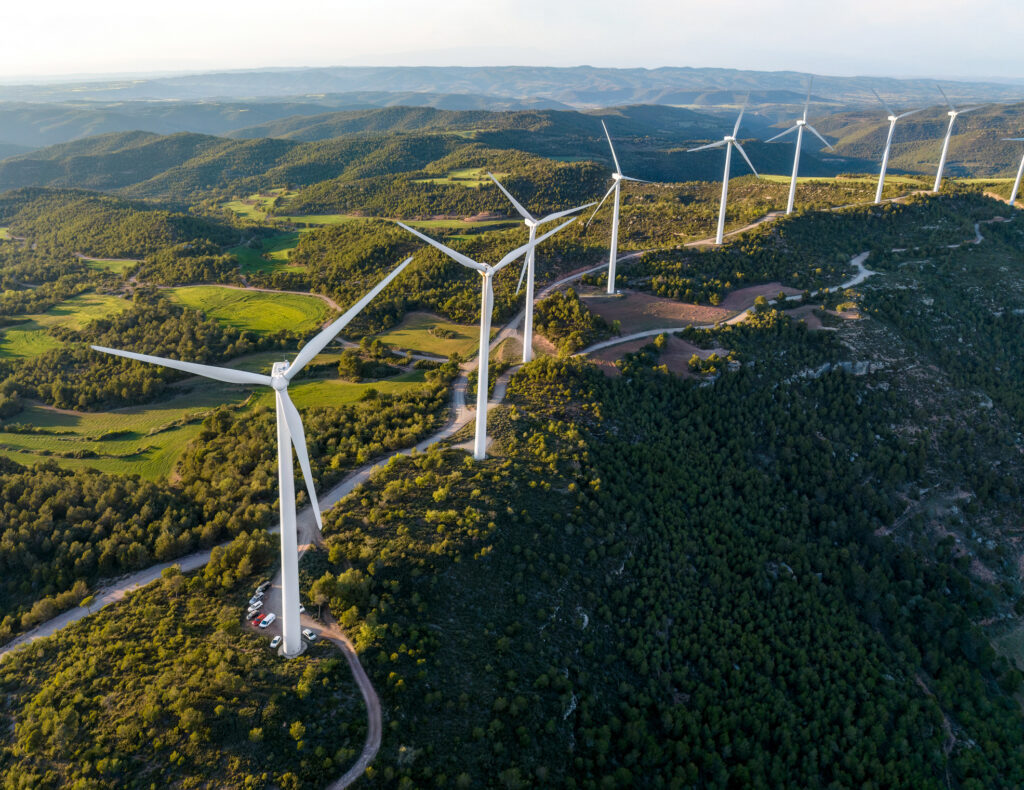
Use EACs, PPAs or VPPAs to decarbonize power use and align with your reporting needs.
Learn more
Implement efficiency audits and access White Certificates to reduce energy intensity and ensure EU ETS compliance.
Learn more
Through Vertis, manage ETS exposure, optimize carbon pricing and ensure transparent reporting.
Vertis
Compensate residual emissions with verified reductions and removals that reinforce your sustainability impact.
Learn moreMost emissions arise from process heat, feedstock use and power consumption. Scope 3 also includes transport, product use and end-of-life treatment.
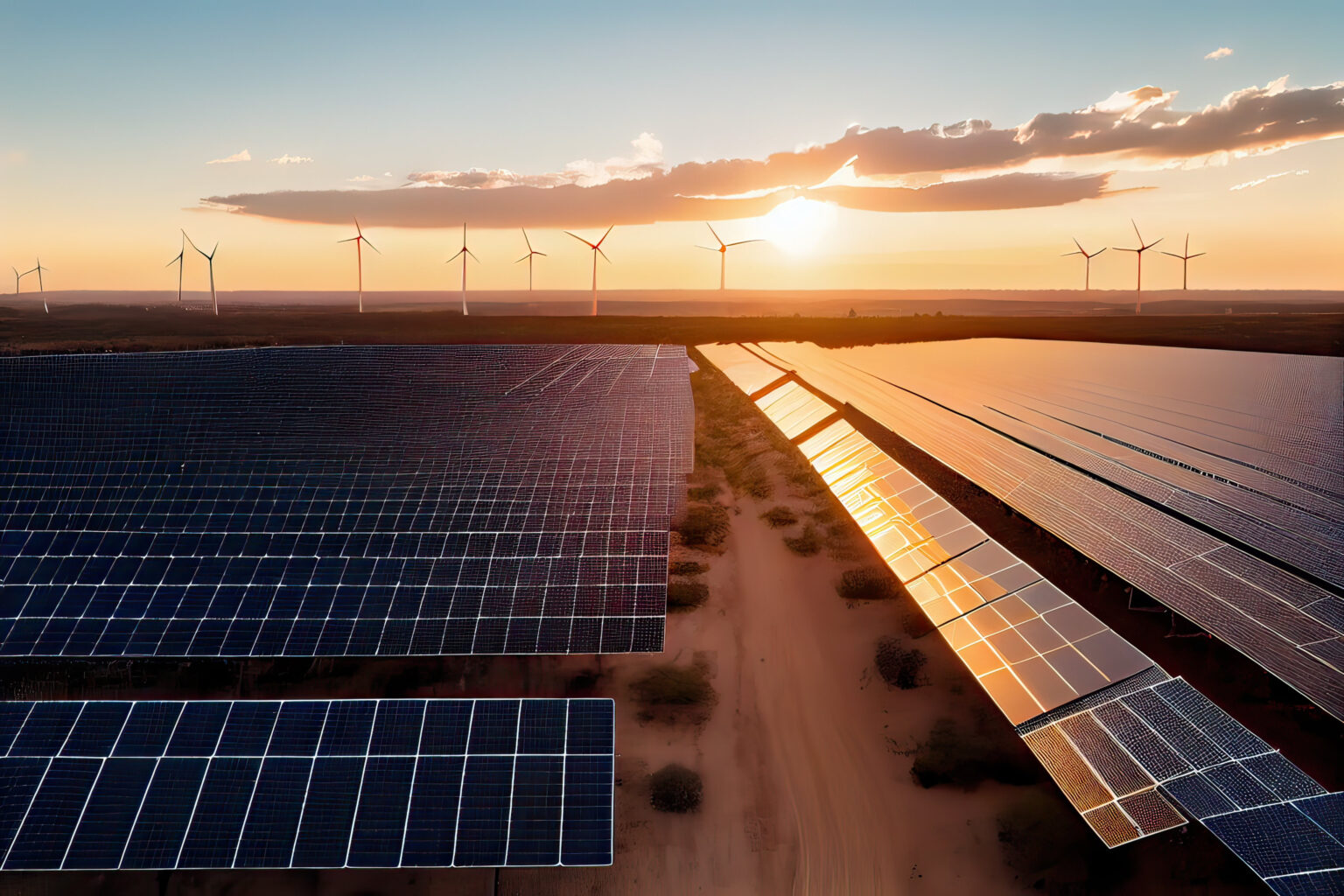
Switching to renewable electricity lowers Scope 2 emissions from power, heating and electrolysis. Companies can use Energy Attribute Certificates (GoOs, RECs, I-RECs) or Virtual Power Purchase Agreements (VPPAs) to verify renewable consumption and align reporting with CSRD and CDP standards.
Renewable Natural Gas (RNG) or biomethane can replace fossil gas in process heat and feedstock applications, cutting Scope 1 and 3 emissions. It supports greener ammonia, methanol and hydrogen production with minimal infrastructure changes.
Key policies include the EU ETS, CBAM, RED III and CSRD, however, each region has to be analyzed individually.