Traders of Environmental Progress
STX Group is a global environmental commodities trader offering physical and financial solutions across compliance and voluntary systems for energy, fuels, gas and carbon markets.

Traders of Environmental Progress
STX Group is a global environmental commodities trader offering physical and financial solutions across compliance and voluntary systems for energy, fuels, gas and carbon markets.

Transforming Climate Challenges into Business Progress
STRIVE is the advisory arm of STX Group, helping companies meet climate targets through high-impact strategies and cost-efficient decarbonization pathways.

Corporates and industrial players face rising regulatory, financial and stakeholder pressure to accelerate decarbonization.
Yet every sector’s path is unique, shaped by distinct emissions profiles, technological maturity and policy frameworks.
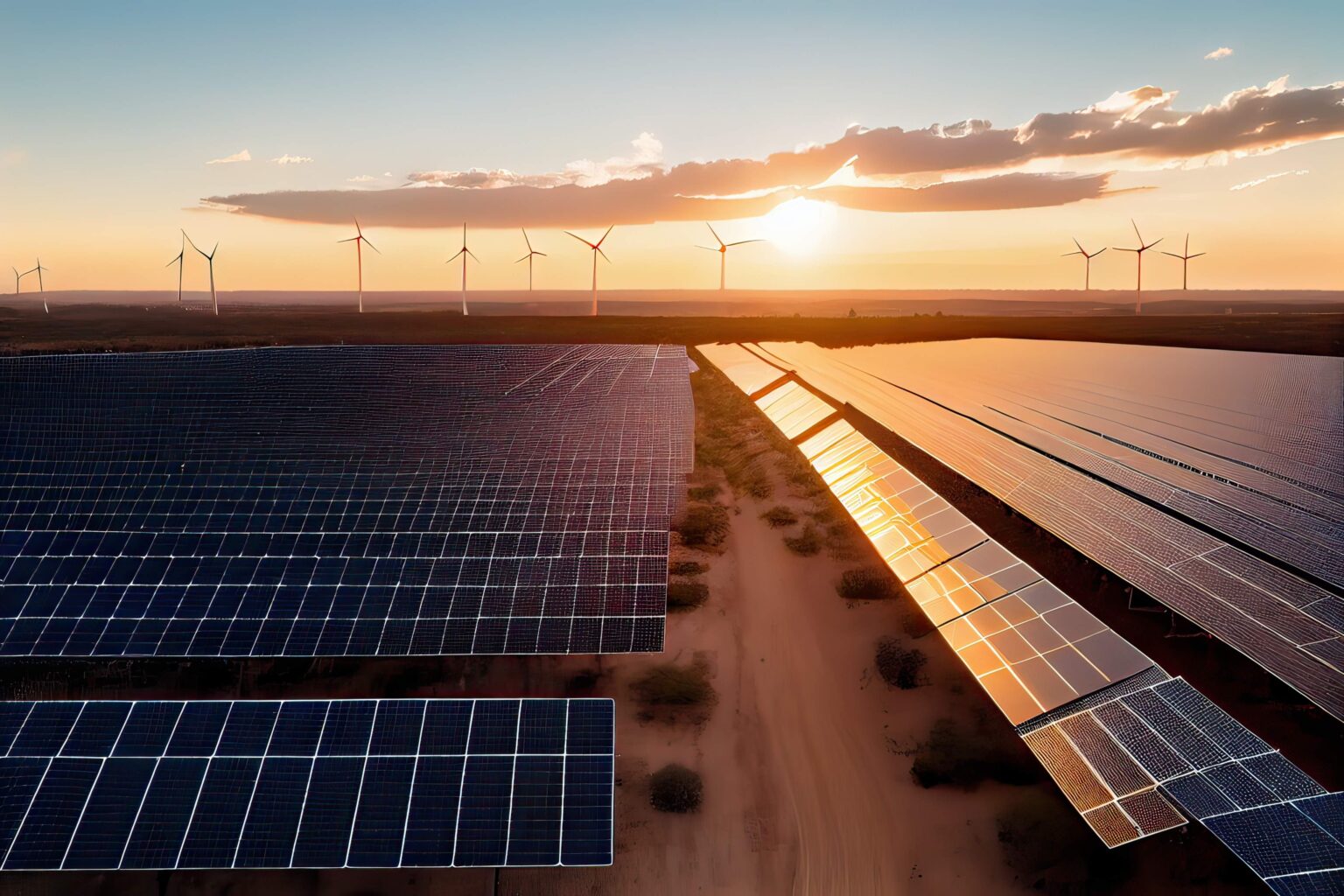
At STRIVE by STX, we assist organizations worldwide and across industries to achieve their sustainability goals. Our decarbonization solutions are the ideal toolkit to tackle corporate environmental challenges, while realizing business value opportunities along the way.
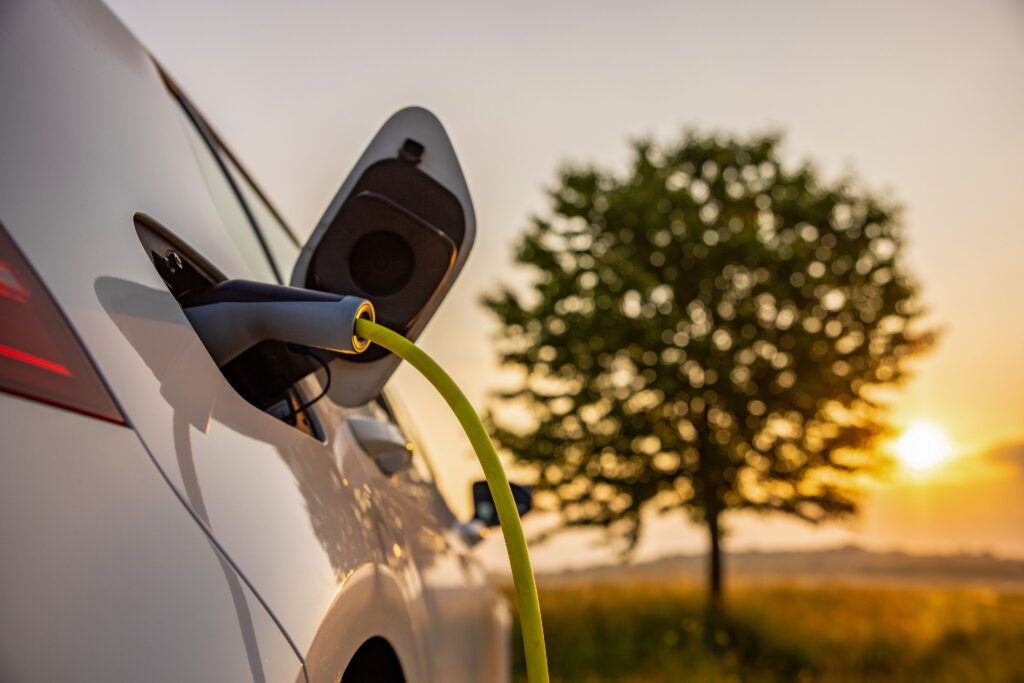
The automotive sector contributes roughly 10% of global CO₂ emissions. Electrify fleets and factories, implement energy-efficiency measures, and adopt biofuels or RNG to reduce fossil fuel use and production costs.
Learn more
Aviation generates more than 10% of global transport emissions. Accelerate Sustainable Aviation Fuel (SAF) adoption, comply with CORSIA, and integrate verified insetting solutions to meet regulatory and corporate decarbonization targets.
Contact Us
The chemicals industry produces about 6% of global GHG emissions. Reduce process emissions through efficiency upgrades, electrification, and CCUS while developing low-carbon products and sustainable chemistry innovations.
Learn more
Financial institutions face increasing scrutiny over financed emissions. Manage carbon risk, invest in SAFc, and support clients’ transition to low-carbon portfolios through responsible investment and disclosure frameworks.
Contact Us
FMCG companies operate extensive global supply chains. Cut emissions across production, logistics, and packaging while engaging suppliers to implement verified Scope 3 reduction programs and transparent reporting mechanisms.
Contact Us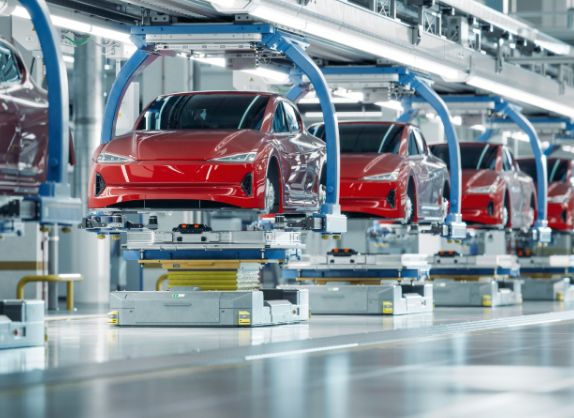
Manufacturing accounts for nearly 20% of global CO₂ emissions. Improve energy performance, adopt renewables, and implement CCUS to remain compliant, cost-efficient, and competitive within regulated and voluntary markets.
Contact Us
The maritime sector transports more than 90% of global trade and emits around 3% of global CO₂. Adopt biofuels, BioLNG, and biomethane to meet FuelEU Maritime requirements and create new value streams.
Learn more
The pharmaceutical sector can accelerate its low-carbon transition by improving efficiency, switching to renewable electricity, and adopting CCUS to meet sustainability targets and strengthen ESG performance.
Contact Us
The pulp and paper industry targets a 36% reduction in CO₂ emissions by 2030 versus 2022 levels. Electrify production lines, enhance steam-system efficiency, and cut process-related emissions.
Learn more
Buildings generate about 17% of global CO₂ emissions. Improve energy efficiency, integrate renewable energy, and boost property value by aligning assets with sustainability and investor expectations.
Contact Us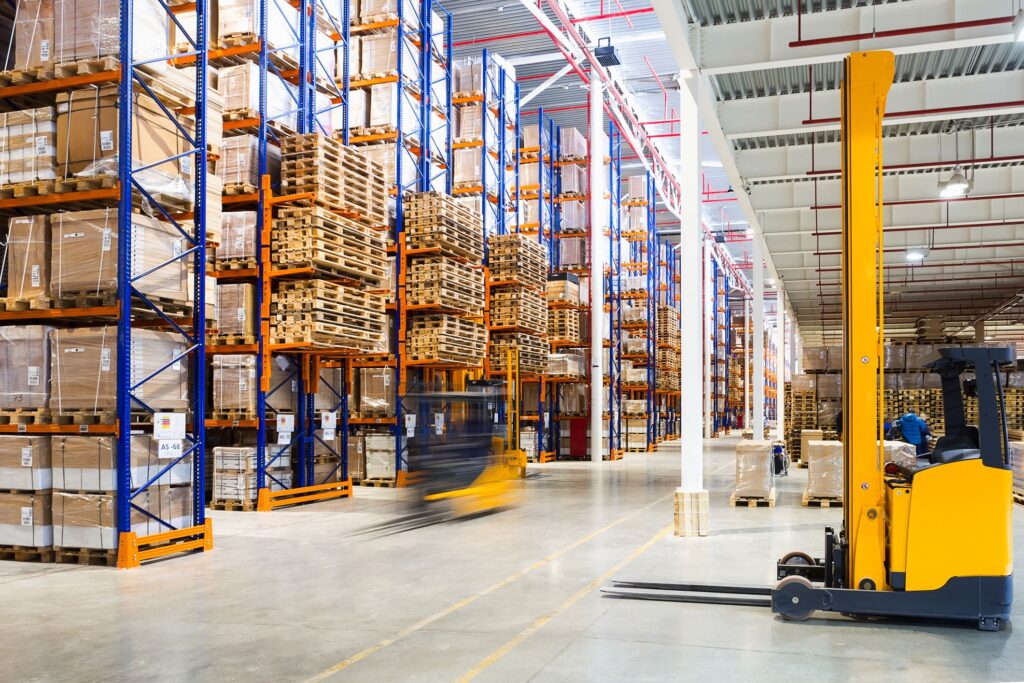
Retail and wholesale operations produce significant emissions from facilities and logistics. Electrify transport, upgrade stores and warehouses, and engage suppliers to reduce Scope 3 emissions and enhance transparency.
Contact Us
Road transport represents roughly 12% of global GHG emissions. Access financing and low-carbon fuel solutions to measure, reduce, and offset fleet emissions while remaining eligible as a sustainable supplier.
Contact Us
These hard-to-abate sectors contribute 15–20% of global CO₂ emissions. Adopt renewables, efficiency schemes, and carbon capture to comply with regulation and lower production footprints.
Contact Us
The telecom and data-center sector consumes high energy volumes. Reduce emissions through efficiency programs, renewable electricity procurement, and sustainable data-management practices.
Learn more
Utilities, including power and heat generation, account for about 25% of global GHG emissions. Enhance grid efficiency and integrate renewables to meet regulatory and climate commitments.
Contact Us
Corporates must align with 1.5°C targets by reducing Scopes 1-3. Implement renewable energy, efficiency improvements, and verified compensation to achieve measurable progress toward net zero.
Contact Us
Partner with STRIVE by STX to connect market-based solutions with your decarbonization strategy.